
Let’s address the question we hear all the time: Is blogging still worth it for SEO in 2026?

With AI-generated content everywhere, social media algorithms constantly changing, and search results looking different than they did even a year ago, it’s a fair question. Blogging can feel like a lot of effort for something that might work.
Here’s the honest answer: blogging for SEO is still effective, but things have changed. The days of pumping out keyword-stuffed posts just to “feed Google” are long gone. In 2026, blogging works best when it’s strategic, helpful, and built around real human questions.
Let’s break down what small businesses actually need to know (and do) when it comes to blogging for SEO these days.
How Blogging for SEO Has Changed (and What Hasn’t)
A lot has changed in the last few years. Search engines are smarter. AI content is everywhere. And users are quicker to bounce if something doesn’t answer their question clearly.
What has changed:
- Thin, generic blog posts don’t perform well
- Keyword stuffing is ineffective (and obvious)
- Publishing for volume alone doesn’t move the needle
What hasn’t changed:
- Search engines still want helpful, original content
- Blogs are still one of the best ways to show expertise
- Clear answers still rank better than clever fluff
In short, blogging for SEO isn’t dead, it’s just more selective. Quality matters more than ever.
Why Blogging Still Matters for Small Business SEO
For small businesses especially, blogging plays a unique role. You may not have a massive ad budget or national brand recognition, but you do have something incredibly valuable: real expertise.
Blog posts give you the space to show that expertise in a way ads and social posts can’t. They let you answer the questions customers ask every day, explain what you do in plain language, and share your perspective without rushing or oversimplifying.
Over time, this kind of content builds trust before someone ever reaches out. A potential customer can read your blog, understand how you think, and feel confident you know what you’re talking about.
And unlike social media posts that disappear from feeds in hours or days, blog content sticks around forever. A strong post can continue bringing people to your website months or even years after it’s published. That long-term visibility is exactly why blogging for SEO is still a smart investment for small businesses.

What Blogging for SEO Looks Like in 2026
Here’s where a lot of confusion creeps in. Blogging for SEO today is less about “tricking the algorithm” and more about matching search intent.
That means:
- Writing for humans first, not search engines: for example, explaining a service the same way you would to a customer on the phone, instead of forcing awkward keywords into every sentence.
- Choosing topics people are actually searching for: like turning common client questions into blog posts (“How long does this take?” or “What does this cost?”) instead of guessing at trendy topics.
- Structuring content so it’s easy to scan and understand: using clear headings, short paragraphs, and bullet points so readers can quickly find what they need without feeling overwhelmed.
Keywords still matter, but they should appear naturally. If you’re forcing the phrase blogging for SEO into every paragraph, something’s off. Instead, use related terms, answer follow-up questions, and stay focused on the topic at hand.
Search engines are very good at understanding context. Your job is to be clear, not clever.
How to Find Blog Topics People Are Actually Searching For
If you’re staring at a blank screen wondering what to write about, you’re not alone. The good news is you don’t need fancy tools or guesswork to find strong blog topics.
- Start with the questions you already get from customers. Sales calls, emails, discovery meetings, and even casual conversations are full of ready-made blog ideas. If someone asks, “How long does this take?” or “Is this worth it for a small business like mine?” that’s a signal people are searching for that answer.
- Next, let Google help you. Begin typing a question into the search bar and watch what autofills. Check the “People also ask” box and the related searches at the bottom of the page. Those suggestions are based on real searches, not trends or opinions.
- If you have access to Google Search Console, take a look at the queries your site is already showing up for. You’ll often find topics where you’re getting impressions but not clicks. These are perfect opportunities to create clearer, more helpful blog content.
- Finally, shift your mindset from keywords to problems. Instead of asking, “What keyword should I rank for?” ask, “What is my customer trying to figure out right now?” When your blog genuinely solves that problem, the SEO usually takes care of itself.

Blogging Formats That Actually Drive SEO Results
Not all blog topics are created equal, but the format you choose matters just as much as the topic itself. In 2026, the blog posts that tend to perform best are the ones that are clear, specific, and easy for readers (and search engines) to understand.
Some of the most reliable high-performing blog formats include:
- How-to posts that walk readers through a process step by step
- List-style posts (like tips, mistakes, or best practices) that are easy to scan
- FAQ-style posts that answer one specific question thoroughly
- “What to expect” or “how it works” posts that reduce uncertainty before someone buys
- Comparisons or explainers that help readers make a decision
Here’s where this gets powerful for small businesses. Instead of trying to rank for a broad, competitive topic, you can take a widely searched idea and make it more specific through format and angle.
For example, instead of writing a generic post about blogging for SEO, you might create something like:
- “7 Blogging Mistakes Small Businesses Make (and How to Fix Them)”
- “How Blogging for SEO Works for Small Businesses in 2026”
- “What to Expect When You Start Blogging for SEO: A Realistic Timeline”
The core topic is the same but the format makes the post clearer, more useful, and more likely to perform.
For small businesses, niche and local expertise is a huge advantage. You don’t need to compete with massive brands on broad topics. You need to own the conversations your customers are already having and present them in formats that are easy to read and easy to act on.
The Role of AI in Blogging for SEO
AI has absolutely changed how content gets created but it hasn’t replaced the need for real insight.
Used well, AI can help with:
- Research and topic ideas
- Outlines and structure
- Editing for clarity
Where it falls short is originality. AI can summarize what already exists, but it can’t replace your experience, your local knowledge, or your understanding of your customers.
In 2026, the strongest blog content is human-led, AI-supported. Businesses that rely entirely on AI-written blogs often end up with content that sounds fine, but doesn’t say anything new. Search engines (and readers) notice.
The best practice is to use AI as a tool to speed up your process, not to replace your voice. AI can help you brainstorm ideas, organize your thoughts, or clean up a rough draft, but your opinions, experience, and tone are what make a blog post worth reading. Adding your perspective is what turns generic content into something personal, credible, and distinctly you and that’s what ultimately sets you apart as an expert.
Quality Beats Quantity Every Time
One of the biggest myths we still hear is that small businesses need to blog constantly to see results. That’s rarely true. A handful of well-written, well-optimized blog posts will outperform dozens of rushed ones.
A high-quality SEO blog post typically:
- Focuses on one clear topic, with a clear H1 title that includes your primary keyword (like “blogging for SEO”) so search engines immediately understand what the page is about
- Answers the main question thoroughly, making sure the primary keyword appears naturally in the introduction and throughout the content where it makes sense (but not keyword stuffing!)
- Uses headings and spacing for readability, including descriptive H2 and H3 headings that break up sections and reinforce related keywords
- Includes examples or explanations, not just opinions, and supports the content with images that use descriptive alt text (including keywords where relevant) to improve accessibility and SEO
- Uses internal links to related blog posts and service pages to help search engines understand site structure and keep users on the site longer
- Has a clear URL slug that reflects the topic and includes the primary keyword (no dates, filler words, or unnecessary numbers)
- Includes a meta title and meta description written to encourage clicks, not just rankings
- Ends with a clear next step or call to action, so readers (and search engines) understand the page’s purpose
If you can realistically publish one or two strong posts a month, that’s often enough, especially when it’s part of a bigger SEO strategy.
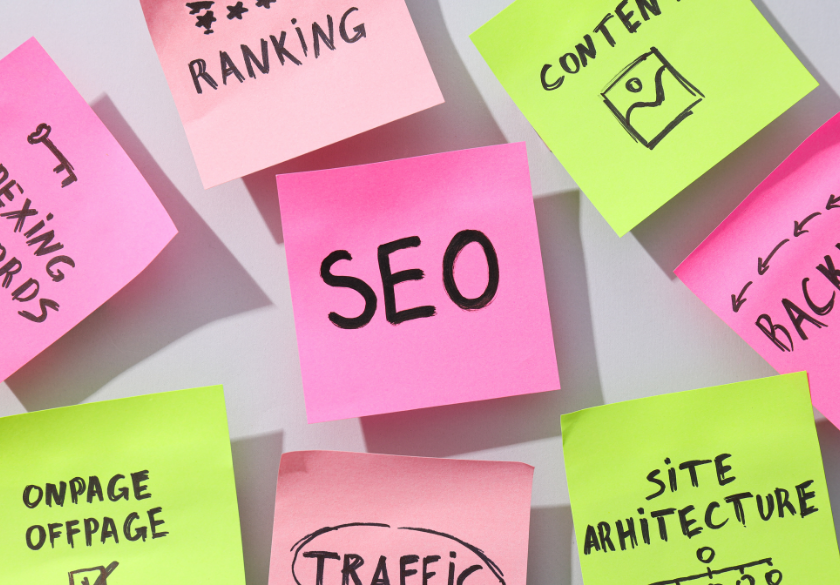
How Blogging Supports the Rest of Your SEO Strategy
Blogging doesn’t exist in a vacuum. When done well, it supports almost every other SEO effort.
Blogs help with:
- Internal linking to service and location pages
- Keeping your website fresh and active
- Increasing time on site and engagement
- Building topical authority
A strong blog post can act as a bridge—guiding visitors from a search result to a service page in a way that feels helpful, not pushy.
Common Blogging Mistakes Small Businesses Still Make
We always see the same blogging issues pop up again and again, and they usually have nothing to do with effort or intent.
One of the most common problems is blogging without a clear goal. Posts get written because they feel like something you should be doing, not because they’re tied to a specific business objective. Without that direction, it’s hard for content to perform or feel worthwhile.
Another issue is publishing content that’s too vague to rank. When a post tries to cover too broad a topic, it doesn’t give search engines or readers a clear reason to pay attention.
Formatting is another big one. Even great content can underperform if it’s hard to read. Long blocks of text, unclear headings, or dense paragraphs make it harder for people (and search engines) to understand what the post is about.
And finally, there’s the pile-up problem. Blogs get published, then forgotten. Over time, they become outdated or disconnected from your current services, which quietly drags down performance.
The biggest mistake behind all of this is treating blogging like a chore instead of a tool. When blogging is aligned with your business goals, it supports your marketing instead of draining your energy.
How Moonlit Media Helps Small Businesses Blog Smarter
At Moonlit Media, we don’t believe in blogging just to check a box. We focus on clarity, strategy, and content that actually serves your business.
Our approach to blogging for SEO includes:
- Strategy before writing
- Clear topic selection based on search intent
- Content written for real humans
- SEO best practices without jargon
We help small businesses create blog content that gets found, gets read, and supports long-term growth.
Final Thoughts: Blogging for SEO Still Works When Done Right
Yes, it’s still very much worth it to blog for SEO in 2026. When blog content is clear, helpful, and intentional, it becomes one of the most reliable marketing assets you can have.
If you’re wondering whether your current blog strategy is helping or just sitting there, Moonlit Media can help you figure it out. Contact us today to build a blogging strategy that supports your SEO goals and fits your real-world workload.