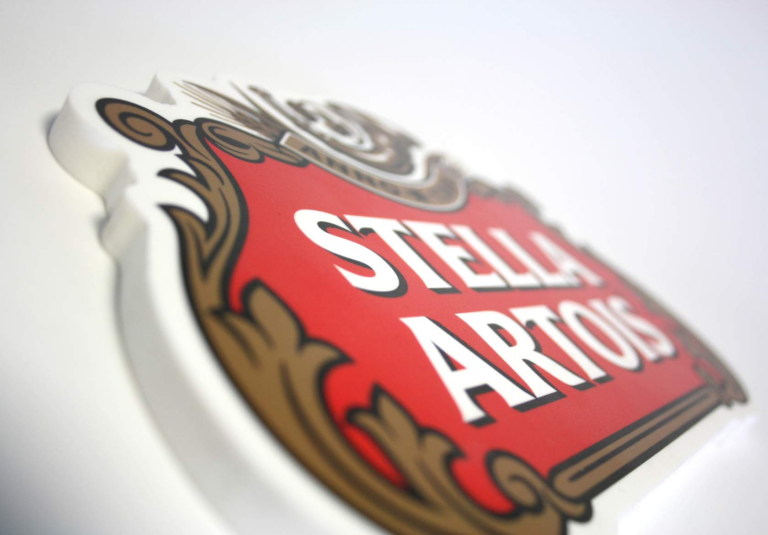
You already know colors matter. You’ve seen how certain brands feel calm, bold, modern, luxurious, playful, or trustworthy just by looking at their logo, website, or packaging. But when it comes time to choose your own brand colors, it’s easy to get stuck. There are endless shades, tones, palettes, trends, and opinions (oh, so many opinions).

In this guide, we’ll walk through how to choose a color palette for your brand—one that reflects your personality and supports your overall marketing goals.
Why Brand Colors Matter More Than You Think
Color is often the first thing people notice about your brand. It shapes people’s perceptions instantly. Long before someone reads your website headline or scans your services page, your colors are already communicating something.
A strong color palette helps you:
- Build instant recognition
- Look more professional and cohesive
- Create emotional alignment with your audience
- Stand out in a crowded market
- Strengthen trust through consistency
For small business branding especially, color is powerful. You might not have a million dollar marketing budget, but you can look like a million bucks with the right color palette. Your brand can look and feel established, even if it’s still growing.

Brand Color Psychology: The Basics
Let’s talk about brand color psychology in practical terms. Different colors tend to trigger different emotional responses. This doesn’t mean there are hard rules. It just means people often associate certain feelings with certain hues.
Here’s a simplified breakdown:
- Blue: Trust, calm, reliability
- Green: Growth, health, balance, nature
- Red: Energy, urgency, passion
- Yellow: Optimism, warmth, friendliness
- Purple: Creativity, luxury, imagination
- Black: Sophistication, authority, boldness
- Neutrals: Stability, simplicity, flexibility
But it’s important to know that shade and saturation matter just as much as the base color. A soft dusty blue feels very different from a bright electric blue. A muted sage green won’t communicate the same energy as neon green.
For example, both Starbucks and Spotify use green in their branding, but they communicate different personalities because of the shade and tone. Starbucks uses a deeper, more muted green that feels earthy, calm, and grounded, reinforcing its coffeehouse roots and community vibe. Spotify’s brighter, more saturated green feels energetic, modern, and tech-forward. Same core color. Completely different emotional impact. That’s the power of shade and saturation.
Step 1: Define Your Brand Personality First
If you skip this step and jump straight into a color generator, you’ll probably end up frustrated. Before you touch a color wheel, ask yourself a simple question: who is my brand?
Try narrowing your answer down to three to five core traits. Your brand might be bold and confident or approachable and grounded. It could feel luxurious and refined, or playful and modern. Some brands are traditional and steady, while others are energetic and innovative. The goal is clarity. When you can describe your brand in a handful of intentional words, color decisions become much easier.
For example, a wellness studio might describe itself as calming, natural, supportive, and holistic. That personality naturally lends itself to soft greens, warm neutrals, and muted blues. The colors reinforce the sense of peace and balance the business wants clients to feel.
A custom home builder, on the other hand, might describe itself as dependable, detail-oriented, established, and craftsmanship-driven. That brand might lean into rich earth tones, deep blues, warm grays, or classic neutrals that communicate stability, quality, and long-term trust.
A law firm might define its personality as stable, authoritative, trustworthy, and professional. In that case, deeper tones like navy, charcoal, or rich green, paired with classic neutrals, help reinforce credibility and structure.
If you don’t define your brand personality first, you’ll likely default to colors you personally like. And while you should enjoy your brand’s look, your personal favorite color isn’t always the best strategic choice for your business.
Step 2: Choose a Strong Main Color
When learning how to choose brand colors, many people overcomplicate it. Instead of trying to build an entire palette at once, focus on one strong main color that represents your most dominant brand trait.
Ask yourself what you want people to feel first when they land on your website or see your logo. Do you want to feel calming or energizing? Premium or approachable? Minimal or bold? Your main color is often the first emotional cue your audience receives, so it should be intentional.
Think about brands that have mastered this. Target’s bright red instantly feels energetic, bold, and attention-grabbing. It’s not subtle, and it’s not supposed to be. On the other hand, brands like Whole Foods lean into earthy greens that feel natural, grounded, and health-focused. The color alone reinforces what they stand for.
Your main color will likely show up everywhere, including your logo, website headings, buttons, social graphics, and marketing materials. It becomes the visual thread that ties your brand together.
If your brand is calming, you might choose a muted sage or soft blue that creates a sense of ease. If you’re bold and disruptive, a saturated orange or deep red can communicate confidence and momentum. If you’re aiming for luxury, rich jewel tones or deep neutrals create that elevated, high-end feel.

Step 3: Build a Balanced Color Palette
Now let’s turn that main color into a full color palette guide for your brand.
A professional, flexible palette usually includes:
- One main color
- One to two secondary colors: These support your main color. They should complement it, not compete with it.
- One accent color: This color is used strategically. Think buttons, highlights, calls to action. This is where you can add a pop of energy.
- Two to three neutral colors: These are just as important as your bold colors. They create breathing room. They make your website easier to read. They keep things from looking chaotic.
That’s it. You don’t need twelve colors. You’re not creating a box of crayons.
Some simple approaches:
- Use analogous colors for a calm, cohesive look. Analogous colors sit next to each other on the color wheel, like blue, blue-green, and green. Brands like Instagram often use warm analogous gradients that feel smooth and harmonious. A wellness brand might use soft sage, muted teal, and dusty blue together to create a peaceful, unified feel.
- Use complementary colors for contrast and energy. Complementary colors sit opposite each other on the color wheel, like blue and orange or purple and yellow. Think of FedEx with its bold purple and orange combination. The contrast creates visual energy and makes key elements stand out instantly.
- Pair bold colors with warm neutrals to soften the intensity. If your main color is strong, like a vibrant red or cobalt blue, grounding it with warm beige, taupe, or soft gray keeps things from feeling overwhelming. Brands like Nike often pair bold black or bright accent colors with lots of clean white space to maintain balance.
- Keep backgrounds neutral so your brand colors stand out. Many modern brands use white, cream, or soft gray backgrounds so their main colors do the talking. Apple is a great example. The neutral environment allows their product imagery and minimal color accents to shine without distraction.

Step 4: Don’t Ignore Accessibility and Contrast
This is the part many small business owners skip. (Please don’t.)
Good accessibility means:
- Text is easy to read
- There’s strong contrast between text and background
- Important buttons stand out clearly
- Users with visual impairments can still navigate your site
For example:
- Light gray text on a white background looks modern, but it’s often too low contrast.
- Pale yellow on cream might look pretty on Instagram, but it’s not readable on a website.
You want a strong contrast between light and dark elements. Tools like contrast checkers can help you test combinations quickly. Before you finalize anything, use a tool like the WebAIM Contrast Checker to test accessibility. A palette might look beautiful in theory, but if your button text isn’t readable, that’s a problem. A quick contrast check ensures your brand looks good and functions well.
Accessible color choices improve:
- User experience
- Website engagement
- Professional credibility
- Inclusivity

Step 5: Use Tools to Refine Your Palette
You don’t have to build your palette from scratch, and you definitely don’t have to rely on guesswork. There are smart, user-friendly tools that can help you experiment strategically instead of randomly clicking through color swatches at midnight.
For example, Coolors is great when you already have one color in mind and want to see what pairs well with it. You can lock in your main brand color and let the tool generate complementary and analogous options in seconds. Adobe Color is especially helpful if you want to understand why certain combinations work together. It visually maps out color harmony rules, which is useful if you’re more of a visual learner.
If you’ve already chosen brand photography or a mood board, Canva’s Color Palette Generator can pull colors directly from an image. That’s a great option for lifestyle brands, interior designers, or boutiques that want their branding to align closely with their visual style. Colormind uses AI to generate cohesive palettes, which can spark ideas you might not have considered on your own.
When you’re experimenting, follow a simple process. Lock in your main color first so you have a clear anchor. Then explore complementary or analogous options that support it. Narrow your choices down to one or two secondary colors and one accent color. Add neutral tones that balance everything and give your design breathing room. Finally, test for contrast and usability.
This is how to choose brand colors strategically instead of emotionally. And yes, you can still love your colors. Just make sure they align with your brand personality and serve your audience, not just your personal preference.
Common Color Mistakes Small Businesses Make
Let’s save you from a few common headaches. Here are mistakes we see often:
- Choosing colors only because they’re trending
- Copying a competitor’s colors too closely
- Using too many bright colors at once
- Forgetting to include neutrals
- Ignoring accessibility
- Changing colors every year and confusing customers
Consistency builds recognition. If your website is teal, your Instagram is pink, and your brochures are navy, your audience won’t know what your brand actually looks like.
Document your palette. Save your hex codes and Pantone colors and adhere to them. Create simple brand guidelines for yourself and share them with any designers you work with.
How to Know You Chose the Right Color Palette
There’s no flashing light that says “This is the one!” But there will be signs you’re on the right track.
A strong color palette feels aligned with your brand personality and looks cohesive across your website, logo, and marketing materials. It supports readability instead of fighting against it. It clearly differentiates you from competitors. And it makes your brand more recognizable over time. When your colors are working, everything feels connected rather than pieced together.
If you look at your website and think, “This feels like us,” you’re probably in a good place. If you look at it and feel disconnected or unsure, your colors might not be fully aligned with your brand values, and that’s a sign it may be time to revisit your palette.
Final Thoughts: Your Colors Should Feel Intentional
Choosing the right color palette doesn’t mean chasing trends or picking something that simply looks pretty on its own. It’s a way of creating alignment between your visuals and your values. When your colors reflect your personality and create a consistent experience across all of your marketing materials, your brand feels stronger. The right palette helps your business show up with confidence every single time.
If your current colors feel disconnected, inconsistent, or just not quite right, you don’t have to figure it out alone. At Moonlit Media, we help small businesses refine their branding from the ground up, including developing and fine tuning color palettes that truly match who you are and where you are headed. If you are ready for a brand that feels cohesive, polished, and unmistakably you, contact Moonlit Media and let’s build a visual identity that works as hard as you do.