Sustainable graphic design sounds like one of those buzzy marketing phrases everyone nods at but no one really explains. You’ve probably seen it play out before: Company adds a green leaf to their website, swaps in some earthy colors, and suddenly the brand is “eco-friendly.”

But here’s the reality: sustainable graphic design in 2026 has very little to do with aesthetics. It’s about making intentional design choices that reduce rework, avoid waste, and actually make your marketing easier to manage over time.
This article breaks down what sustainable graphic design really means for small businesses, without the gimmicks. We’ll focus on practical, realistic decisions you can make in your branding, digital assets, and print materials that save time, stretch your budget further, and support long-term growth.
What Sustainable Graphic Design Really Means in 2026
At its core, sustainable graphic design is about responsibility and longevity. It’s designing in a way that minimizes unnecessary waste, both physical and digital, while maximizing usefulness over time.
In the past, sustainability conversations focused heavily on print: recycled paper, soy inks, and eco-friendly packaging. Those things still matter, but in 2026, the conversation has expanded. Now, sustainable design also includes:
- Designing assets that won’t need to be redone every six months
- Creating flexible branding systems instead of one-off designs
- Reducing digital clutter and unused assets
- Making design choices that age well instead of chasing trends
Sustainability isn’t a “look.” It’s a mindset.
Why Sustainable Graphic Design Matters for Small Businesses
Big brands can afford waste. They can redesign constantly, scrap campaigns, and pivot on a whim. Small businesses don’t have that luxury. Every logo refresh, brochure reprint, and website overhaul costs time and money. Sustainable graphic design helps you avoid those expensive do-overs by getting it right the first time or at least building something flexible enough to grow with you.
There’s also a trust factor. Customers in 2026 are skeptical. They’ve been marketed to nonstop. Clear, thoughtful design signals professionalism, transparency, and intention. When your branding feels consistent and purposeful, people trust you faster.
And yes, there’s an SEO bonus too. Clear design supports better user experience, which supports better engagement, which search engines absolutely notice.
Sustainability Starts Before Design Ever Begins
Here’s something designers don’t always say out loud: most design waste happens before anything is designed. Not because the designer isn’t talented, but because the project starts without clarity.
When goals are fuzzy, designs get revised endlessly. When the audience isn’t clearly defined, the final result feels “off,” even if it looks good. And when decisions are rushed, businesses end up with assets that only work in one place, for one moment in time.
That’s not a design problem. That’s a strategy problem.
Sustainable graphic design starts by answering a few very unglamorous (but very important) questions:
- Who is this for?
- Where will this be used?
- How long does this need to last?
- What problem is this design actually solving?
Sustainable graphic design doesn’t start with recycled paper or eco fonts. It starts with clarity.
When expectations are set early, design becomes more intentional. Fewer revisions. Fewer throwaway assets. Fewer “we’ll just redo this later” moments. And for small businesses especially, that clarity saves money, protects your brand, and makes your marketing easier to manage. That’s sustainability in action.
Digital-First Design Is the Most Sustainable Choice
For most small businesses, digital-first design is the easiest sustainability win.
Designing with digital use in mind (websites, social media, email marketing, digital ads) reduces the need for excessive printing and physical materials. But more importantly, it forces designers to think about flexibility.
A sustainable digital design approach includes:
- Vector-based logos that work at every size
- Graphics that can be reused across platforms
- Templates instead of one-off posts
- Visual systems instead of isolated designs
When your assets are built to adapt, you’re not constantly starting from scratch. That saves time, money, and creative energy.
Print Isn’t the Enemy, Waste Is
Print is usually a necessity in business. Print design isn’t inherently unsustainable but wasteful print design is. If your business relies on print (menus, brochures, signage, packaging) the key is being intentional. Sustainable print design focuses on longevity and smart choices, not flashy finishes that go out of style quickly.
Practical print sustainability tips:
- Print fewer pieces, but make them more versatile
- Avoid ultra-trendy sizes or formats
- Design materials that can be updated instead of replaced
- Choose finishes that are durable, not just decorative
Example: Imagine a small service-based business, say a local clinic, contractor, or professional office, that hands out brochures at the front desk and at community events.
The unsustainable version looks like this:
The brochure is packed with specifics like seasonal promotions, pricing, service packages, even staff photos. Three months later, something changes. A service is added. Pricing shifts. A promotion ends. Suddenly, hundreds of brochures are outdated and end up in the trash. New ones are printed. The cycle repeats.
Now here’s the sustainable version:
Instead of cramming everything into one piece, the business designs a brochure focused on evergreen content: who they are, what problems they solve, what makes them different, and how to get in touch. No dates, no short-term offers, and no details that might change every quarter.
When updates are needed, they happen digitally: on the website, via QR code, or through a small insert that can be swapped out easily.
That one design decision means:
- Fewer reprints
- Less wasted material
- Lower long-term printing costs
- A brochure that stays relevant for years, not months
That’s sustainable print design. It’s not flashy or trendy. Just smart, intentional choices that respect your budget and your brand.
Fonts, Colors, and Layouts Matter More Than You Think
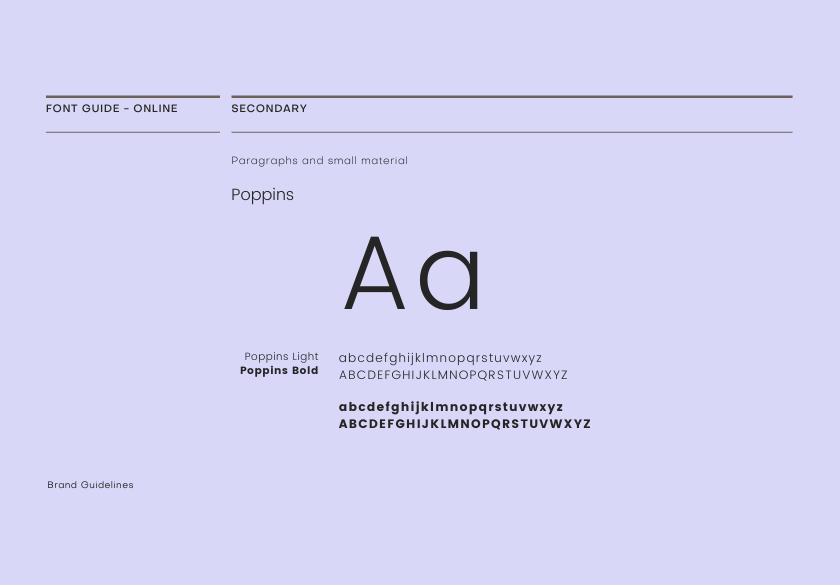
This is where sustainable graphic design gets surprisingly simple. Trendy fonts come and go fast, and highly stylized typography can feel outdated almost as quickly as it felt new. Sustainable design leans toward clarity and usability. That doesn’t mean it has to be boring, it simply means you should make thoughtful choices that hold up over time.
Fonts should be legible everywhere, from a phone screen to a printed flyer. Color palettes should work just as well digitally as they do in print. Logos should function in full color and in black and white, without losing their impact.
Designing with fewer colors and cleaner layouts also has a real environmental benefit. Fewer colors mean less ink, fewer print passes, and simpler production overall. Cleaner layouts reduce the need for specialty finishes, oversized formats, or frequent reprints caused by design fatigue. When a design is easy to read and easy to reproduce, it’s far more likely to be reused instead of replaced.
These choices make your brand easier to recognize, easier to use, and easier to maintain. Sustainable design isn’t just better for the environment, though. It’s better for consistency, clarity, and long-term brand strength too.
Accessibility Is Sustainability (Yes, Really)
Accessibility and sustainability go hand in hand. Designs that are hard to read, confusing to navigate, or visually overwhelming often need to be fixed later. That’s wasted time and effort.
Accessible design focuses on:
- Proper color contrast
- Readable font sizes
- Clear hierarchy and spacing
When more people can easily use and understand your designs, they last longer and work better. That’s sustainable design doing its job. As a bonus, accessibility improves SEO and user experience. Search engines love accessibility just as much as humans do.
How to Avoid Greenwashing in Graphic Design
Greenwashing happens when branding suggests sustainability without anything meaningful behind it. It’s usually a well-intentioned business trying to “do the right thing” and accidentally leaning a little too hard on the visuals. Customers notice, though. And in 2026, they’re much better at spotting when sustainability is more aesthetic than action.
One of the most common traps is relying on visual shortcuts like earthy color palettes, leaf icons, kraft-paper textures, and words like eco, green, or natural sprinkled throughout a brand. None of those things are bad on their own, but when they aren’t connected to real actions, they start to feel hollow.
Another red flag is vague language. Saying you’re “environmentally-conscious” or “sustainably-minded” without explaining how doesn’t build trust, it raises questions. People want to know what that actually means, even at a high level. You don’t need a full sustainability report, but you do need honesty.
There’s also a big difference between being inspired by sustainable design and copying the look of it. Minimal layouts, muted colors, and organic shapes are popular right now but using those styles doesn’t automatically make a brand sustainable. When the visuals say one thing and the business practices say another, the disconnect is noticeable.
Sustainable graphic design doesn’t require big claims or bold declarations. Thoughtful choices speak louder than buzzwords. If sustainability is part of your values, let it show through how your brand behaves, not just how it looks. Be specific when it matters. Be subtle when it doesn’t. And don’t feel pressure to say more than what’s true.
Sustainable Design That Grows With Your Business
One of the most sustainable things you can do is build a brand that scales.
That means:
- A logo system, not just one logo
- Brand guidelines that make future decisions easier
- Templates your team can actually use
When your branding is built with growth in mind, you avoid redesigns every time your business evolves. That’s good for your budget and your sanity.
How Moonlit Media Approaches Sustainable Graphic Design
At Moonlit Media, we don’t treat sustainability as a trend. We treat it as part of smart marketing. Because the most sustainable design is the kind you don’t have to redo over and over again.
Our approach to sustainable graphic design focuses on:
- Clarity over clutter
- Longevity over trends
- Strategy before visuals
That starts with how we work, not just what we design for our clients. Every project begins with clarity. Before we ever touch a logo, website layout, or line of copy, we take time to understand the who, where, and what. Who you’re trying to reach. Where your designs will actually live: website, social, print, email, signage. And what the design needs to accomplish for your business. That upfront discovery prevents guesswork, endless revisions, and one-off decisions that don’t hold up long-term.
We also keep our process intentionally digital. Proofing and revisions are handled online, which means fewer printouts, faster feedback, and a clear paper trail of decisions. Clients can review designs in context, leave comments directly, and see how everything fits together without wasting time or materials.
When it comes to the design itself, we focus on building systems, not just assets. Instead of handing over a single logo or a handful of graphics, we create flexible branding and design frameworks that can be reused, adapted, and scaled as your business grows. That means fewer redesigns, more consistency, and marketing that gets easier over time instead of harder.
The result is branding and design that works hard, lasts longer, and supports your business without adding complexity.
Final Thoughts: Sustainable Doesn’t Mean Complicated
Sustainable graphic design in 2026 isn’t about checking every eco-friendly box. It’s making thoughtful choices that reduce waste, improve clarity, and support your business long-term.
If your design is clear, flexible, and built to last, you’re already doing more than you think.
And if you want help creating branding and design that’s practical, intentional, and built for real-world businesses, Moonlit Media is here to help. Contact us to talk about sustainable graphic design that makes sense for your business.